

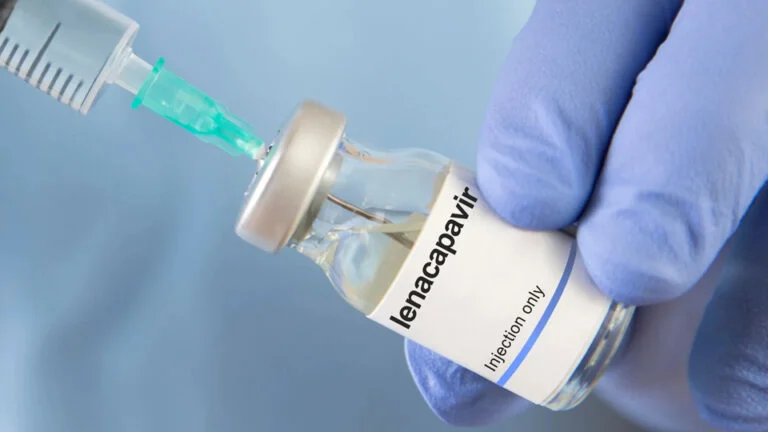
Brazil has the technical and industrial capacity to produce the active pharmaceutical ingredient (API) for lenacapavir, one of the most promising medicines for HIV prevention and treatment. This is the conclusion of an assessment conducted by Professor Rodrigo Octavio de Souza, from the Institute of Chemistry at the Federal University of Rio de Janeiro (UFRJ), at the request of the Working Group on Intellectual Property (GTPI/REBRIP). According to Souza, the main obstacle to domestic production is not technological, but political.
Lenacapavir has gained international attention after demonstrating high efficacy for both HIV prevention and treatment, including for people living with multidrug-resistant HIV. One of its most important features is the possibility of long-acting treatment and prevention regimens with infrequent dosing, reducing dependence on daily medication and potentially improving adherence to both treatment and combination prevention strategies. However, despite participating in the clinical trials, Brazil was excluded from Gilead Sciences’ voluntary licensing agreements, which allow generic production in more than one hundred low- and middle-income countries. As a result, Brazil remains dependent on the prices set by the patent holder.
Producing lenacapavir in Brazil
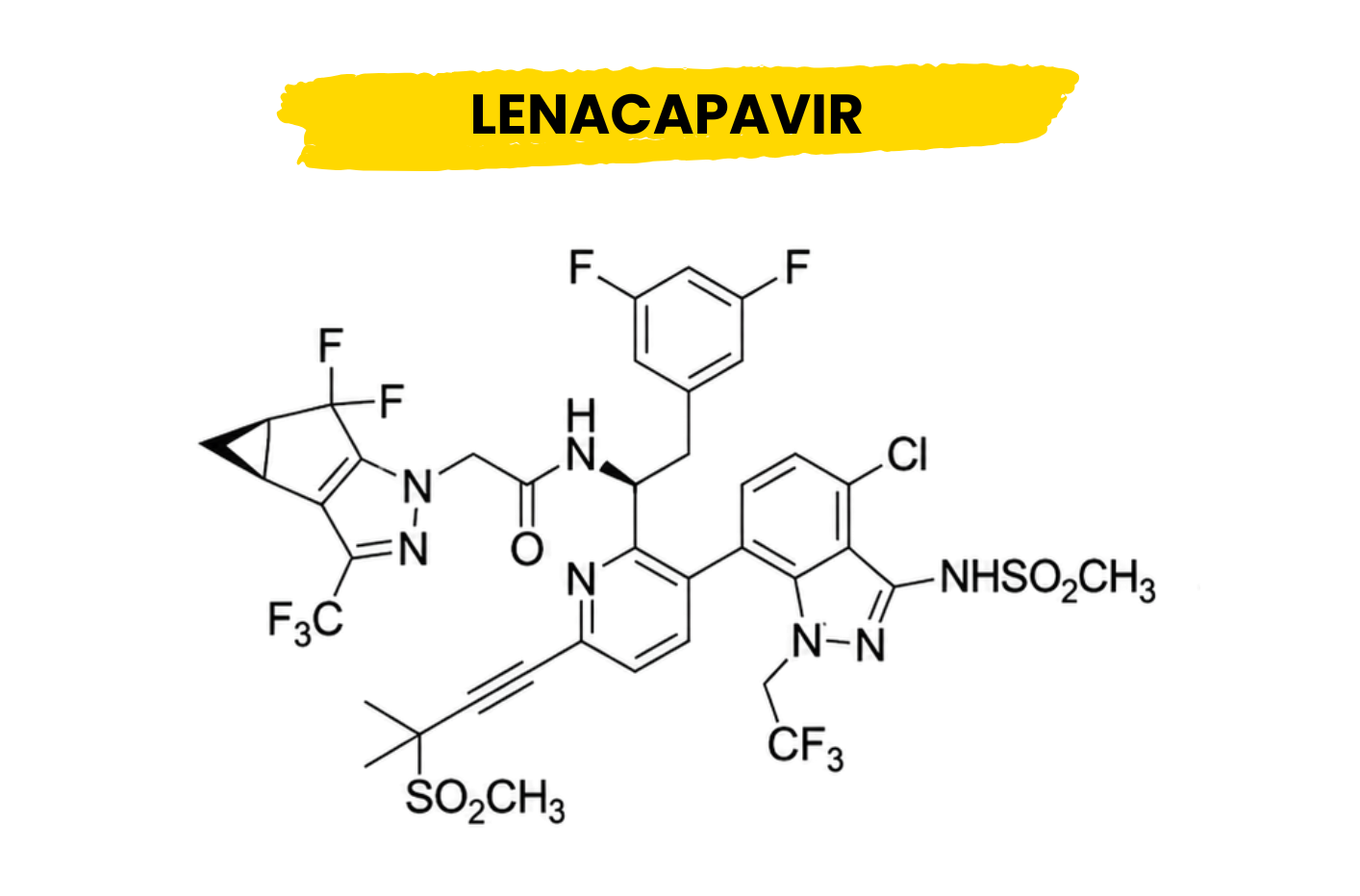
According to the technical assessment commissioned by GTPI, Brazil has both a fine organic synthesis industry and research groups with the expertise needed to develop and manufacture lenacapavir’s API. The production process involves synthesizing four key molecular fragments (LENA-01, LENA-02, LENA-03, and LENA-04), which are subsequently assembled to form the lenacapavir molecule.
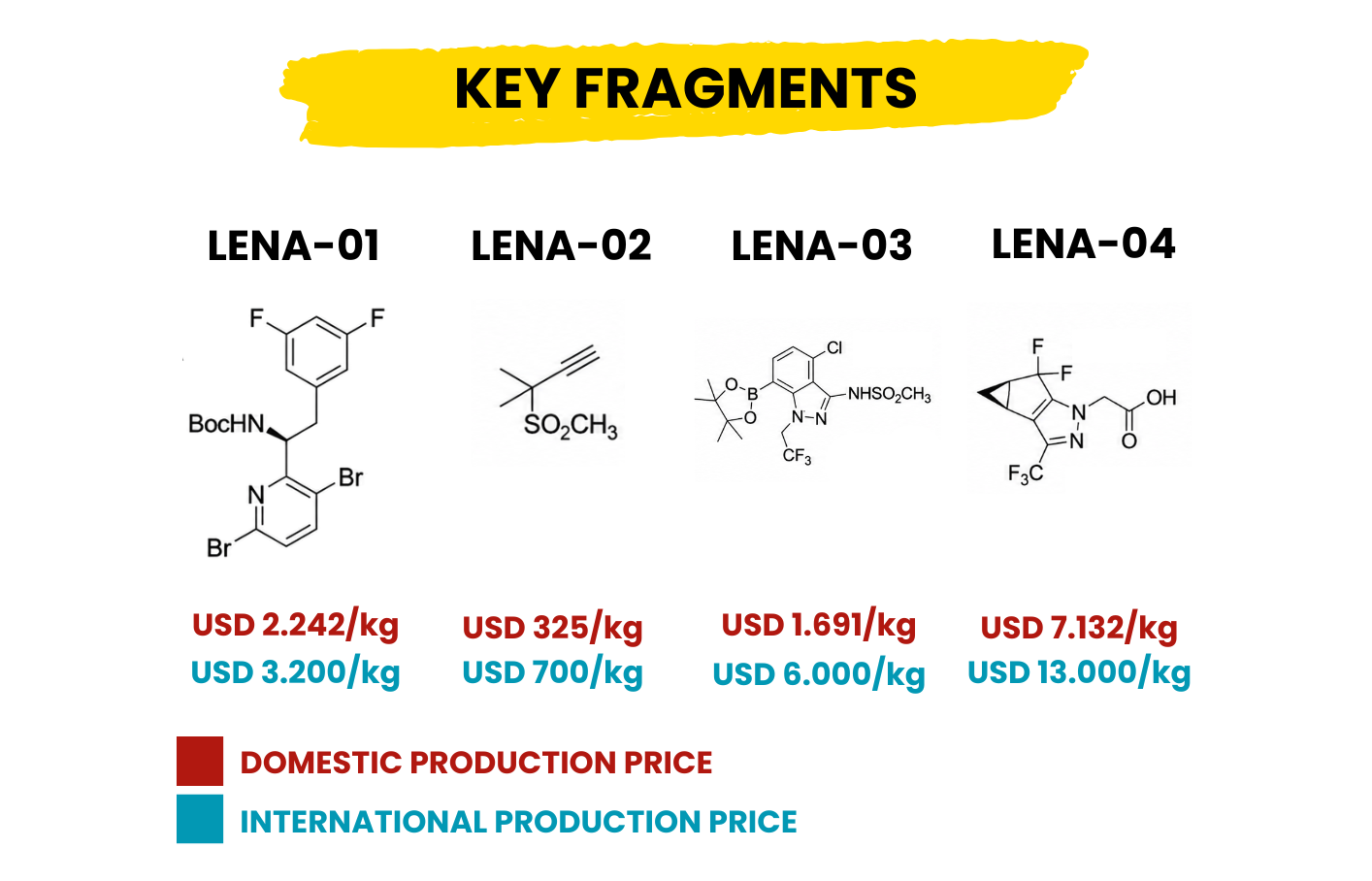
The estimated cost of producing the API in a Brazilian manufacturing facility is approximately US$7,500 per kilogram, lower than the estimate presented in an international study, with further reductions expected as the manufacturing process is optimized and production volumes increase. Based on this estimate, the annual cost of the injectable treatment would range from R$294 to R$372 per person, while the estimated production cost per tablet would range from R$17.20 to R$39.90.
In addition, the investment required to initiate development would be relatively modest. The assessment estimates that approximately R$1.5 million would be needed to develop the synthetic route and produce between 5 and 10 kilograms of the API. This initial investment would establish the foundations for domestic production while generating strategic knowledge for future manufacturing.
The Bolar Exception allows development before compulsory licensing
According to Susana van der Ploeg, GTPI Coordinator, there is no need to wait for the issuance of a compulsory license before beginning this work. “Brazilian legislation includes the so-called Bolar Exception, a legal mechanism that allows research and development activities to be carried out while a patent remains in force,” she explains.
This includes developing the synthetic route, analytical methods and pharmaceutical formulation, manufacturing quantities required for research and testing, determining the actual production costs, pursuing regulatory approval, and preparing the country’s manufacturing capacity.
Beyond accelerating future public or domestic production, these activities would enable the government to better understand the medicine’s real production costs, strengthen price negotiations, and reduce dependence on the monopoly exercised by the patent holder.
The barrier is political, not technical
According to GTPI, the available evidence demonstrates that Brazil already possesses the scientific expertise, industrial infrastructure, and manufacturing capacity needed to produce lenacapavir. “The knowledge exists. What is lacking is political will,” says Veriano Terto Jr., Vice President of the Brazilian Interdisciplinary AIDS Association (ABIA).
Given Brazil’s exclusion from voluntary licensing agreements and the high prices charged internationally, GTPI argues that the country should begin preparing immediately for domestic production by making full use of the legal tools already available and strengthening its technological autonomy.
Ensuring access to lenacapavir means reducing dependence on pharmaceutical monopolies, strengthening health sovereignty, and ensuring that this strategic HIV technology can become available through Brazil’s Unified Health System (SUS) under conditions consistent with the right to health.